 OHALIK
OHALIK
OHALIK
Tashkent • Nukus • Khiva • Bukhara • Samarkand
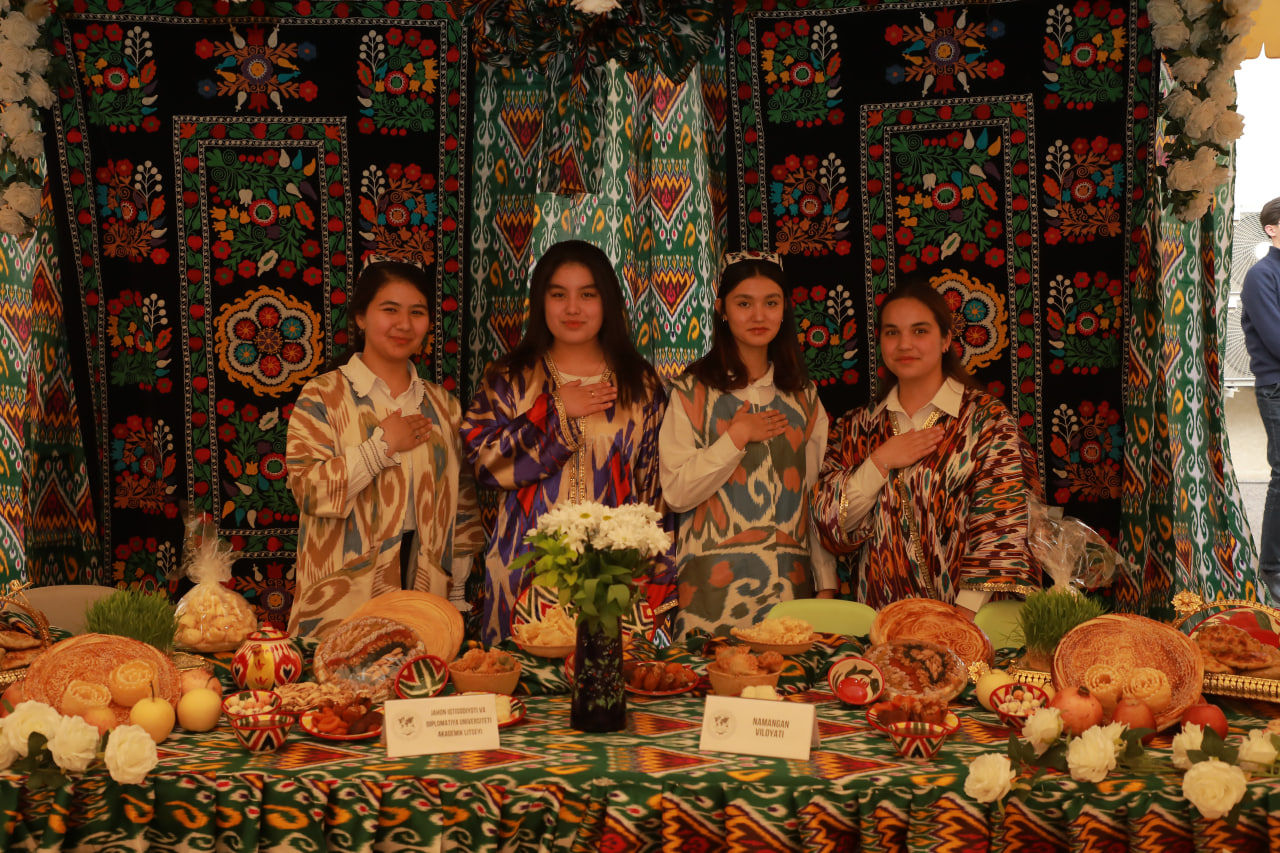
Navruz means 'New Day' in Persian. For over three thousand years, the peoples of Central Asia have celebrated the spring equinox as the beginning of a new year — a time of renewal, forgiveness, and hope. On 21 March, when day and night are equal in length, something shifts. The wheat begins to sprout. The mountains release their snow. Neighbours who have not spoken all winter embrace at the threshold. Tables groan with foods seen only at this time of year. And in courtyards across Uzbekistan, women gather around enormous cauldrons to cook sumalak through the night — singing, telling stories, making wishes as they stir. This is Uzbekistan at its most alive. And we want you to be part of it. This is not a tour that shows you Navruz from the outside. You will cook sumalak with a real community in Khiva — not staged for tourists, but the actual families who have done this for generations. You will watch Kupkari, the thundering horse game, in the mountains above Samarkand. You will join a Hashar — a community work day — and understand what it means when an entire neighbourhood comes together to build something with their hands. You will sit with the musicians and dancers of the Bukhara Philharmonic as they prepare for the celebration. This tour is filled with things you will do for the first time in your life. Things you never knew you could do. Things that will help you understand us better.
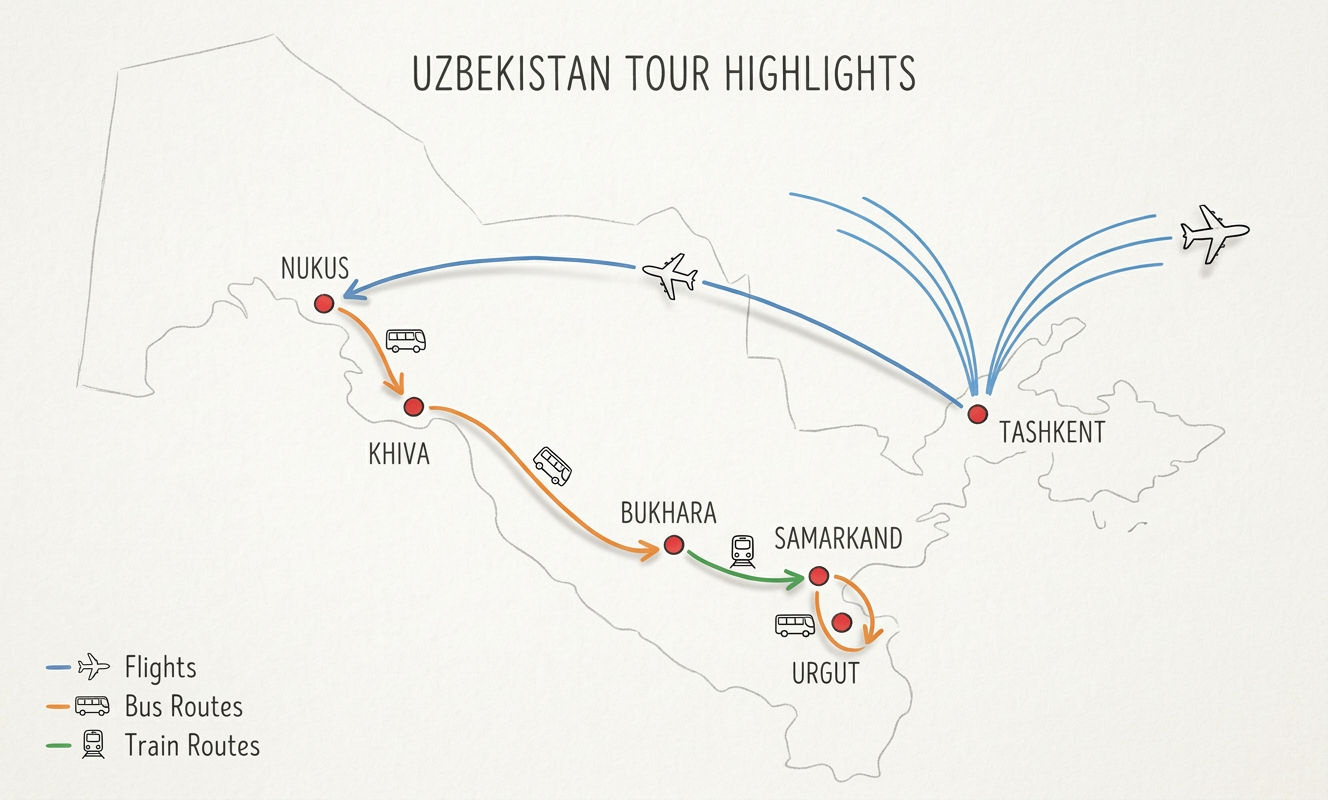
We recommend comfortable walking shoes, weather-appropriate clothing for Tashkent • Nukus • Khiva • Bukhara • Samarkand, sunscreen, and a water bottle. A detailed packing list specific to this 14-day moderate difficulty tour will be provided after booking.
This tour has a Moderate difficulty rating. It requires some outdoor experience and moderate fitness levels. Previous experience is recommended.
This tour accommodates a maximum of 12 participants to ensure a personalized experience throughout the 14-day journey.
The tour price includes professional guide services, transportation, and all activities mentioned in the itinerary. Specific inclusions like meals, entrance fees, and permits are detailed in each day above. Any additional costs will be clearly communicated during booking.
Who this journey is not for
This is not the trip for travellers who prefer their culture behind museum glass and their locals at a distance. At Navruz the whole country comes out into the streets — cooking, planting, racing horses, celebrating — and this itinerary puts you in the middle of it, stirring the sumalak rather than photographing it. If immersion makes you nervous, choose another season. If it is exactly what you came for, there is no better one.
How hard is this trip, honestly?
Every Ohalik trip carries one of five words. Here is what we mean by each — graded not by a formula, but by people who have walked every one of these routes, in every season.
If you can walk a bazaar, climb a hotel staircase, and stand in a courtyard while someone tells you a story, you can do this trip. Slow pace, frequent tea, no hills worth mentioning. We bring our own parents on Gentle days.
Full days on your feet — old-town cobbles, a few hundred years of uneven steps, the occasional dawn start because the light is worth it. Nothing steep, nothing high. You will sleep well, in the good way.
Real days: four to six hours walking or standing, a hike below 2,500 metres, a long drive on a road that has opinions, and a night or two where the bathroom is simple and the welcome makes up for it. If you walk regularly at home, you are ready.
Proper trekking or proper altitude: five to seven hours on mountain trails, nights between 2,000 and 3,000 metres and sometimes higher, homestays and camps. Train a little before you come. The mountains will notice if you did.
Sustained high-mountain travel: long days, passes above 3,500 metres, consecutive nights above 2,800. This is for travellers who already know what their body does at altitude — and who want to find out again.