 OHALIK
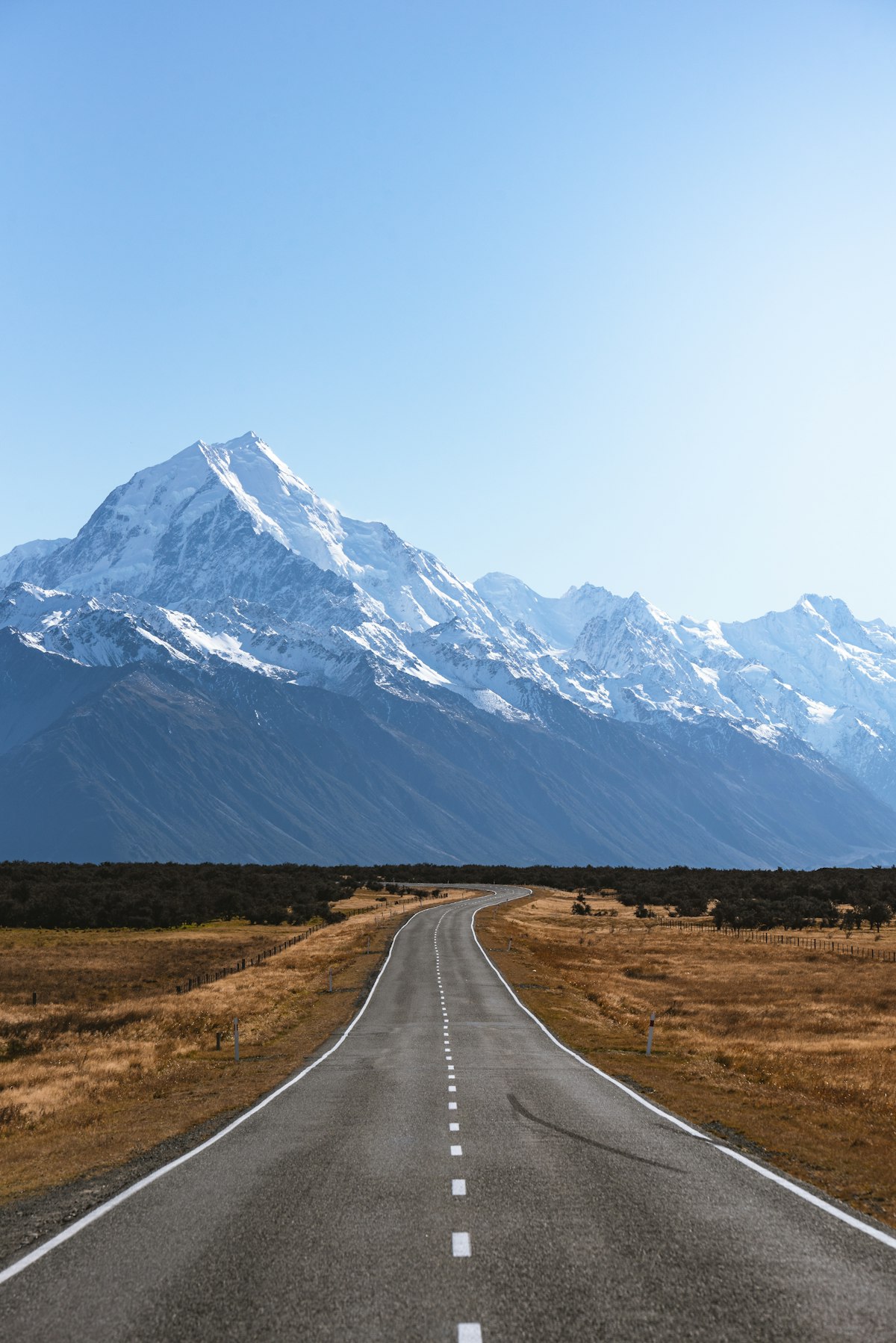
The road to Son Kul is not really a road. It is a suggestion, made by Soviet engineers in the 1970s and maintained by nobody since. For the last forty kilometers, your vehicle moves at walking pace over rocks and mud and the occasional stream that has decided to become part of the road. Your kidneys file a formal complaint. Your phone loses signal somewhere around kilometer fifteen and does not find it again for two days. This is the point.
The Lake at the Top of the World
Son Kul sits at 3,016 meters in a vast alpine basin surrounded by rolling jailoos — summer pastures where Kyrgyz herders have brought their horses and sheep for centuries. The lake itself is enormous, 34 kilometers long, and so still that it looks like someone laid a mirror on the ground. The color changes with the light: steel blue at noon, gold at sunset, black and silver under the stars. There are no hotels. There are no restaurants. There are yurts, and there is kumis (fermented mare's milk), and there is silence so complete it has texture.
Night Falls Different Here
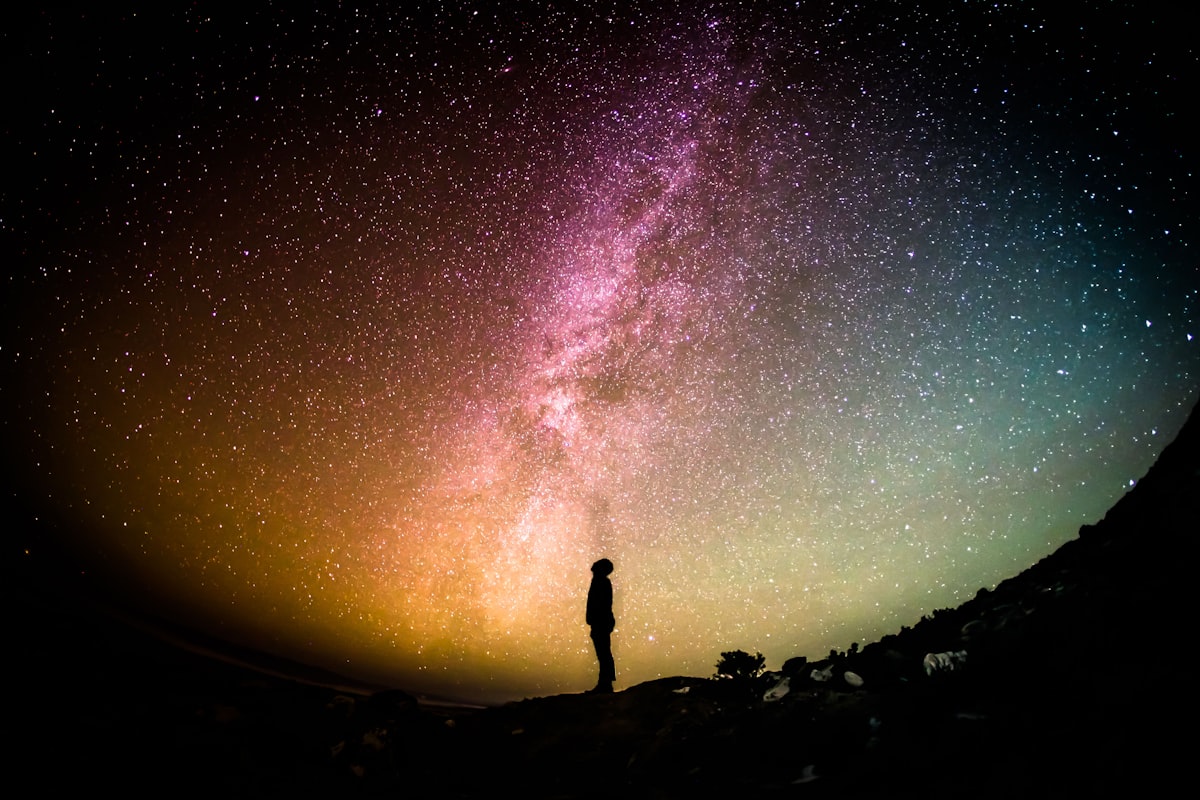
At this altitude, with no light pollution for a hundred kilometers in any direction, darkness does not fall — it opens. The Milky Way does not appear gradually. It arrives like a door swinging open, and suddenly you are looking at billions of stars with your naked eyes, and the galaxy has structure and depth and you understand, in a way that photographs never convey, that you are standing on a rock floating in space. I have seen this sky three times now. Each time I forget how to speak for about ten minutes. The herders think this is very funny.
Morning in the Yurt
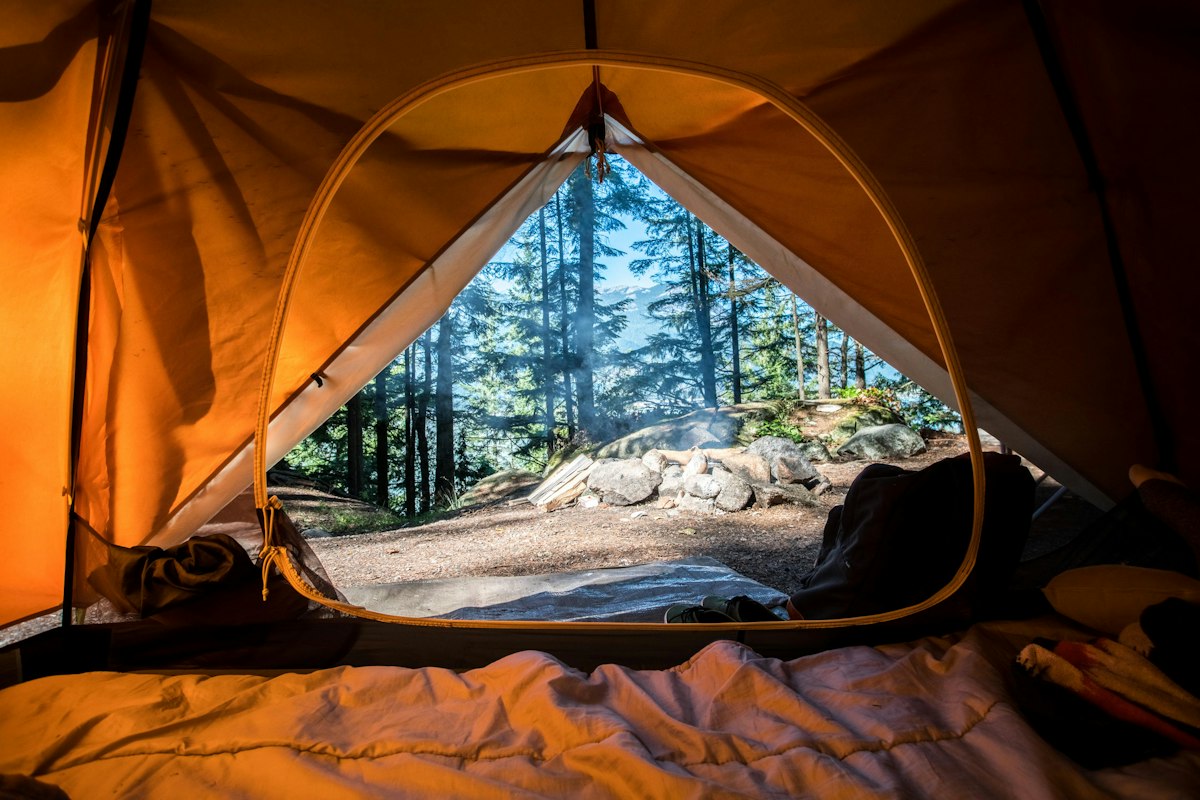
You wake up cold. There is no way around this. The temperature drops below freezing at night even in July, and the yurt's felt walls are insulation, not heating. But then someone starts a fire in the iron stove at the center, and the smell of burning juniper fills the space, and someone else is already making tea, and horses are visible through the open door, grazing against a backdrop that looks invented. Breakfast is bread, kaymak (clotted cream), honey, and tea strong enough to restart your heart. By 8 AM you have forgotten that comfort is something you used to care about.
Why This Matters
Son Kul is not convenient. It is not comfortable. The road is terrible, the facilities are basic, and you will smell like horse and wood smoke for days afterward. But it is one of the last places on earth where you can experience the sky the way every human saw it before electricity, and sleep in the same kind of shelter that nomads have used for a thousand years, and drink tea with people whose lives are organized around seasons and animals rather than screens and schedules. It is not an escape from the modern world. It is a reminder that the modern world is very new, and very small, and that most of human history looked a lot more like this.