19 days
Max 12 people
Moderate
Central Asia (Uzbekistan, Tajikistan, Kazakstan, Turkmenistan, Kyrgyzstan)
Highlights of the Silk Road Journey From golden treasures in Kazakhstan to marble cities in Turkmenistan, this journey is a living chronicle of the Silk Road. Each stop reveals a new layer of history and human connection—where eagle hunters keep ancient traditions alive, scholars once charted the stars, and families still open their homes with warmth. Kazakhstan 🇰🇿 • Golden Man of Almaty – Scythian warrior prince clad in thousands of golden ornaments, a symbol of myth and craftsmanship. • Green Bazaar & Zenkov Cathedral – vibrant trade and resilient wooden architecture that survived earthquakes. • Charyn Canyon – Central Asia’s “Grand Canyon,” glowing in red and gold, steeped in local legend. Kyrgyzstan 🇰🇬 • Eagle Hunters of Issyk Kul – living tradition that reveals the deep bond between humans and nature. • Tea & Felting in Tokmok – family hospitality and women’s cooperative preserving nomadic craft. • Ata Beyit Memorial – resting place of Chingiz Aitmatov and victims of repression, a site of memory and resilience. • Ala Archa National Park – alpine meadows and dramatic peaks studied by naturalists, now a sanctuary for reflection. Uzbekistan 🇺🇿 • Ceramics in Tashkent – hands-on artistry with masters, creating personal gifts rooted in centuries of craft. • Twilight at Registan – Samarkand’s madrasahs shimmering under evening light, a stage for empire and artistry. • Ulugh Beg’s Observatory – medieval astronomy that rivaled the world, charting stars with astonishing precision. • Ohalik Village Immersion – tea in shaded courtyards, farming traditions, and living heritage of rural Uzbekistan. • Sunset Painting Workshop in Samarkand – artistry inspired by centuries of Central Asian tradition. • Avicenna’s Legacy in Bukhara – birthplace of the great physician, where science, philosophy, and spirituality intertwined. • Khiva’s Fortress Walls – UNESCO oasis where mosques, caravanserais, and minarets preserve Silk Road rhythms. • Savitsky Museum in Nukus – avant-garde art rescued from censorship, a sanctuary of creativity in the desert. Tajikistan 🇹🇯 • Sogdian Murals of Panjakent – vivid depictions of banquets and traders, revealing cosmopolitan Silk Road life. • Sarazm UNESCO Ruins – 5,000-year-old settlement, one of the earliest urban roots of Central Asia. • Tajik Family Meal – hospitality that keeps Silk Road traditions alive in everyday life. Turkmenistan 🇹🇲 • Dashoguz Market – lively stalls of produce, spices, and textiles, echoing centuries of trade. • Parthian Nisa Fortress – ruins of kings who bridged East and West, shaping Silk Road diplomacy. • Ashgabat’s Marble City – monumental modern spectacle rising from desert sands, contrasting ancient ruins. Step into the Silk Road yourself—where golden treasures, timeless traditions, and living hospitality await to become part of your own journey.
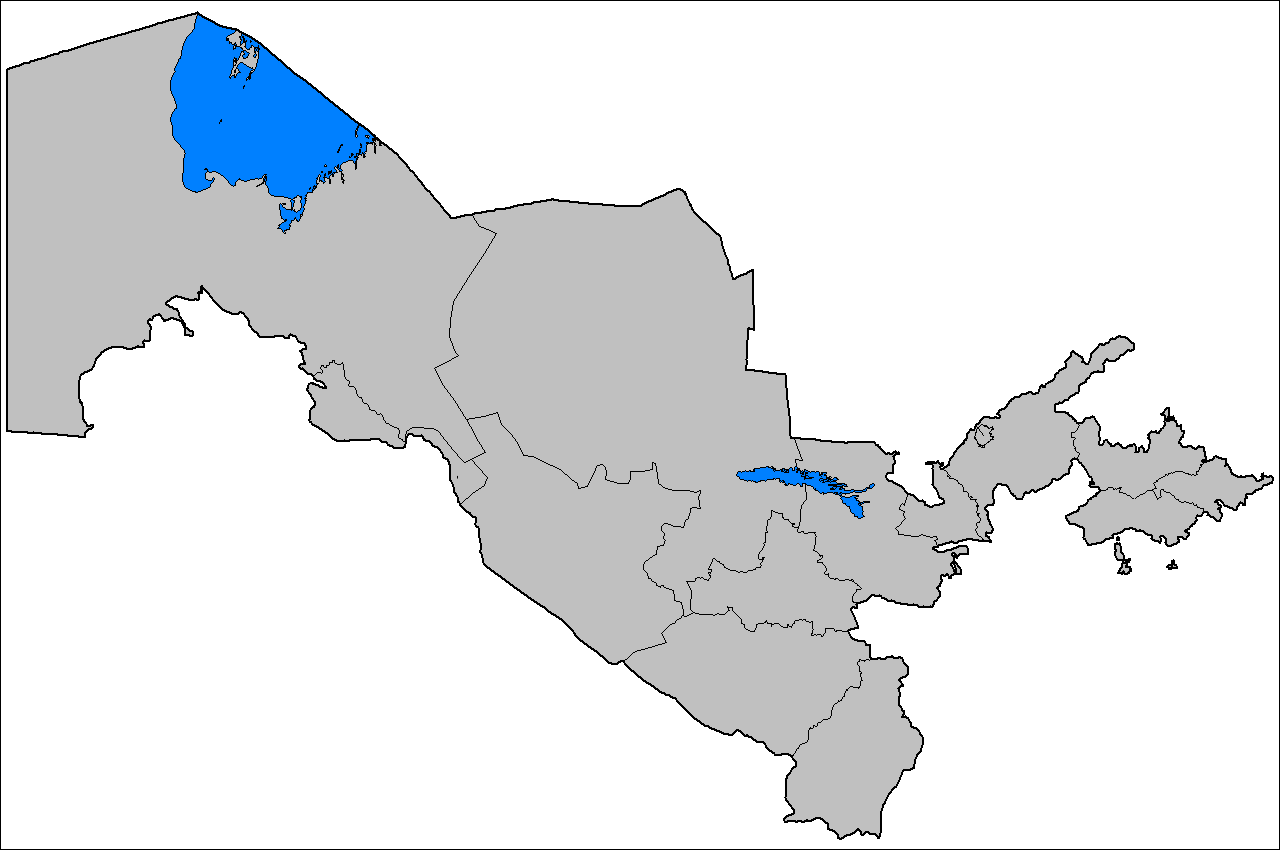
Route map for Silk Road | Central Asia Journey - Central Asia (Uzbekistan, Tajikistan, Kazakstan, Turkmenistan, Kyrgyzstan)
Your adventure begins in Almaty, Kazakhstan’s cultural capital, nestled at the foot of the majestic Tien Shan mountains. The city greets you with leafy boulevards, vibrant markets, and a cosmopolitan spirit that blends tradition with modernity. As you arrive, the crisp mountain air and the hum of city life set the tone for a journey that will weave together landscapes, history, and human connection.
After a warm airport welcome, you’ll settle into your hotel and be introduced to Central Asian hospitality through a welcome dinner. Accompanied by live music, the evening is a celebration of rhythm and warmth, where the sounds of traditional instruments echo centuries of Kazakh culture. It’s not just a meal—it’s your first step into the living story of the Silk Road.
Your second day begins with Almaty’s vibrant pulse. At the Green Bazaar, the air is thick with aromas of dried apricots, fresh bread, and fragrant spices, while vendors call out in a chorus that has echoed through centuries of trade. You’ll wander past stalls brimming with colorful textiles and handmade crafts, before pausing at the Zenkov Cathedral, a wooden marvel painted in bright hues that has stood resilient through earthquakes. Later, Kok Tobe Hill offers sweeping views of the city, framed by the snowy Tien Shan peaks—a reminder that Almaty has always been a meeting place of cultures, landscapes, and stories.
The highlight of the day is a visit to the Central State Museum of Kazakhstan, where the ancient Scythians—nomadic horsemen who roamed the steppes thousands of years ago—come vividly to life. Known for their mastery of goldwork, the Scythians left behind treasures that speak of a world where myth and reality intertwined. Among the museum’s most prized exhibits is the legendary “Golden Man”, discovered near Almaty in the Issyk burial mound: a warrior prince clad in thousands of golden ornaments shaped like snow leopards, winged horses, and sacred birds. Standing before this dazzling collection, you’ll feel the brilliance of craftsmanship and the spirit of a people who believed gold carried divine power.
The morning begins in the dramatic landscapes of Charyn Canyon, often called Central Asia’s “Grand Canyon.” Its towering cliffs glow in shades of red and gold, sculpted by wind into shapes that resemble fortresses and temples. Local legends say the canyon was once home to spirits who guarded travelers along the Silk Road, and walking its trails feels like entering a natural cathedral carved by time itself.
Crossing into Kyrgyzstan, you arrive in Karakol, a town near Issyk Kul Lake. Its diverse architecture—wooden churches, mosques, and colorful homes—reflects centuries of migration and resilience. Karakol is also tied to explorers of the Tien Shan, who believed these mountains hid secrets of ancient nomads. The blend of history and nature sets the stage for your Kyrgyz adventure, where every stone and street corner whispers stories of endurance.
Begin your day in Karakol, exploring its architectural gems such as the striking Dungan Mosque and the wooden Russian Orthodox Church, each reflecting the town’s multicultural heritage. Later, step into the Przhevalskiy Museum, dedicated to the legendary Russian explorer Nikolai Przhevalskiy, whose expeditions in the 19th century opened the world’s eyes to the geography of Central Asia. Here you’ll discover maps, journals, and artifacts that tell the story of geographers and adventurers who braved mountains and deserts to chart lands that were once shrouded in mystery. Their work not only expanded scientific knowledge but also connected cultures across vast distances.
The afternoon brings a living tradition: an eagle hunting demonstration, where the bond between hunter and bird reveals Kyrgyz identity and the deep relationship between humans and nature. In the evening, travel to Cholpon Ata, a lakeside town on Issyk Kul. Here, serenity reigns—the calm waters reflect the surrounding mountains, and ancient petroglyphs etched into stone whisper stories of early civilizations. Overnight by the shimmering lake, you’ll feel the timelessness of this sacred place, where explorers, geographers, and nomads alike found inspiration in the vastness of the steppe.
Would you like me to go back and enrich other days with similar scholarly or explorer connections—for example, mentioning Timur’s astronomers in Samarkand or Avicenna’s legacy in Bukhara—so the whole itinerary feels like a tapestry of both legends and the great minds who studied Central Asia?
The day’s highlight unfolds in Tokmok village, where you’ll be welcomed into the home of Kyrgyz hosts for a family meal. Around the table, stories and laughter flow as you taste traditional dishes prepared with care. Alongside this warmth, the visiting women’s cooperative will demonstrate the ancient art of felting—transforming wool into vibrant textiles that carry centuries of nomadic tradition. This intimate encounter offers not only hospitality but also a living connection to Kyrgyz craftsmanship and resilience.
By evening, you’ll arrive in Bishkek, Kyrgyzstan’s capital. The city’s wide boulevards, Soviet-era monuments, and lively parks reveal a place balancing history with modern energy. Being in Bishkek itself is the second highlight of the day: a chance to feel the pulse of a capital that reflects both the legacy of the past and the aspirations of the future.
Bishkek today is one of the fastest growing developing cities in Central Asia, a capital where modern cafés, new construction, and youthful energy rise alongside monuments of the past. Begin your exploration in Ala Too Square, the symbolic center of the city. Wide boulevards, fountains, and statues create a space where daily life unfolds—children playing, elders gathering, and civic pride expressed in every corner.
From there, you’ll wander through Bishkek’s bazaars, alive with color, sound, and fragrance. Stalls overflow with textiles, spices, and handmade crafts, while the voices of vendors create a lively rhythm. To deepen the experience, we’ll also take you into quarters of the city that preserve the atmosphere of the Soviet Union. Walking these neighborhoods, with their architecture and murals, gives you a sense of how Bishkek has carried its past into the present. The day offers a layered view of the capital: a city balancing nomadic heritage, Soviet memory, and rapid modern growth.
The day begins at Ata Beyit memorial, whose name means “Grave of Our Fathers.” This site holds profound importance in Kyrgyz history, as it is the resting place of victims of Stalinist repression in the 1930s, as well as the burial ground of Chingiz Aitmatov, Kyrgyzstan’s most celebrated writer. Walking among its monuments, you encounter layers of memory: the pain of political persecution, the resilience of families who preserved their culture, and the enduring voice of Aitmatov, whose novels gave Kyrgyz identity a global stage. Ata Beyit is not only a cemetery—it is a place where silence speaks, reminding visitors of the sacrifices that shaped the nation’s spirit.
From remembrance, the journey moves into nature at Ala Archa National Park, a landscape of alpine meadows, rushing rivers, and dramatic peaks. The crisp mountain air and sweeping vistas invite reflection, offering a moment of peace before continuing onward. Naturalists once studied these valleys to understand the biodiversity of the high ranges, and today they remain a sanctuary for both wildlife and human spirit. By evening, you fly to Tashkent, Uzbekistan’s dynamic capital, where the rhythm of modern boulevards and ancient mosques signals the beginning of a new chapter in your Silk Road journey.
Tashkent welcomes you as a city of striking contrasts, where centuries of history coexist with modern ambition. Wide Soviet boulevards and monumental architecture stand beside ancient mosques and madrasahs, while glass towers rise as symbols of Uzbekistan’s future. This layered identity makes Tashkent not just a capital but a living chronicle of resilience and reinvention.
Your journey here takes you to the Khast Imam Complex, a spiritual center that houses one of the world’s oldest Qurans, revered as a sacred artifact connecting faith and scholarship. Walking through its courtyards, you sense the continuity of devotion across centuries. Later, wander through Chorsu Bazaar, a kaleidoscope of colors and sounds, where spices, textiles, and crafts spill from stalls.
In the afternoon, you’ll step into the living quarter, where generations have passed down their craft. Here, you’ll not only watch but also take part in a hands on ceramics workshop. Together with the master, you’ll decorate your own plates, shaping patterns inspired by centuries of Uzbek artistry. The master will then fire your creations and arrange for them to be sent to you, so you can carry them home as personal gifts—symbols of both craftsmanship and memory.
Day 9: Samarkand Arrival & Tour
Travel aboard the high speed train to Samarkand, the jewel of the Silk Road. The journey itself is a bridge between past and present—modern technology carrying you toward a city once described by poets as “the face of the earth’s beauty.”
Begin your exploration at the Ulugh Beg Observatory, one of the most advanced scientific centers of the medieval world. Ulugh Beg, Timur’s grandson, was not only a ruler but also a visionary astronomer who charted the stars with astonishing precision. His star catalog was more accurate than any in Europe at the time, proving that Samarkand was not only a city of empire but also of science.
Continue to the Gur e Amir Mausoleum, resting place of Timur (Tamerlane), whose ambition was to make Samarkand the center of the world. Its turquoise dome glows like a beacon of eternity, embodying both imperial grandeur and spiritual resonance.
As evening falls, you arrive at Registan Square, where the three madrasahs shimmer under twilight. Their mosaics glow in the fading light, creating a stage set for history’s grand drama. Standing here at day’s end, you feel the full majesty of Samarkand—a city where empire, science, and artistry converge.
Start the day with a lecture about the Sogdians en route to the border. Cross into Tajikistan for a day steeped in history and human connection. Begin at Panjakent, once a thriving Sogdian city whose merchants played a vital role in the Silk Road, acting as cultural intermediaries between East and West. Archaeologists uncovered murals here depicting banquets, musicians, and traders, revealing the cosmopolitan life of the Sogdians.
Nearby lies Sarazm, a UNESCO World Heritage site dating back over 5,000 years, where excavations revealed one of the earliest urban settlements in Central Asia. Walking among its ruins, you sense the deep roots of civilization in this valley. Later, visit the local market, alive with voices and colors, before being welcomed into a local home for a meal. Sharing food and stories with a family offers not only nourishment but also a glimpse into Tajik hospitality, where traditions of the Silk Road live on in everyday life. In the evening we will return to Samarkand.
The day takes you beyond Samarkand into the local village of Ohalik, where life unfolds at a slower rhythm and traditions are deeply rooted in the land. Here, you’ll walk through orchards, gardens, and family compounds, meeting villagers who embody the hospitality and resilience of rural Uzbekistan. Our Ohalik tours are designed to immerse you in everyday life—sharing tea in shaded courtyards, learning about farming practices, and hearing stories that connect generations. It is a chance to step into the living heritage of the Silk Road, where community and nature remain inseparable.
In the evening, back in Samarkand, we gather on the terrace of our hotel, overlooking the living quarter with the mountains rising in the backdrop. As the sun sets, the sky often glows in hues of gold and crimson, creating a breathtaking canvas. Here, a master painter from Samarkand leads a painting workshop, guiding you through techniques inspired by centuries of Central Asian artistry. Surrounded by the beauty of the city and the natural horizon, you’ll create your own piece of art—an expression of your journey, shaped by the colors and stories of Samarkand.
Arriving in Bukhara feels like stepping directly into the Silk Road itself. Unlike a museum frozen in time, this old town still breathes with daily life. Domed bazaars hum with merchants trading spices, textiles, and jewelry, just as they did centuries ago. Caravanserais stand as reminders of weary travelers who once found rest here, while ponds and shaded courtyards remain gathering places for community and reflection.
Walking through the labyrinth of lanes, you encounter madrasahs, mosques, and hanaqahs (Sufi lodges), each carrying echoes of devotion and scholarship. The architecture is not only beautiful but functional, designed to serve a city that was once a crossroads of empire and faith.
Here, Bukhara is not simply a destination—it is a living Silk Road town, where commerce, spirituality, and hospitality continue to intertwine. Every step connects you to centuries of merchants, mystics, and scholars who made this city a beacon of culture and exchange.
Today, we are experiencing the town on foot, letting its atmosphere and rhythms unfold around us as they have for centuries.
Spend the day walking deeper into Bukhara’s old town, where every corner reveals layers of empire, commerce, and devotion. Explore the Ark Fortress, the seat of rulers for centuries, and the Poi Kalon complex, where the great minaret once guided caravans across the desert. Caravanserais and trading domes recall the bustle of Silk Road merchants, while mosques and madrasahs echo with centuries of prayer and study.
Our meeting today takes place inside the Ark Fortress, surrounded by walls that have witnessed centuries of power and intrigue. Here, you’ll share lunch with a female archaeologist professor whose insights bring the city’s past alive. She speaks of Avicenna (Ibn Sina), the great physician born near Bukhara, whose works shaped medicine for centuries. Her talk highlights Bukhara’s scholarly legacy—how it became a city where knowledge itself was treasured as much as trade, and where science, philosophy, and spirituality intertwined.
In the evening, you are free to wander at your own rhythm—perhaps sipping tea in a shaded courtyard, watching the flow of people through the bazaars, and reflecting on the journey. It is a time to feel both lost and then found again, carried by the timeless atmosphere of Bukhara.
Khiva is a city that feels like a preserved Silk Road oasis, where history and daily life intertwine behind fortress walls. Inside Itchan Kala, a UNESCO World Heritage site, you’ll find mosques, madrasahs, caravanserais, and minarets rising above narrow lanes. The architecture here is not only beautiful but functional, designed to serve a city that was once a hub of trade and governance.
The guided tour continues until after lunch, leading you through the highlights of Khiva’s old town: the Kalta Minor Minaret, the Kunya Ark citadel, and the Juma Mosque with its forest of carved wooden pillars. Each site reveals Khiva’s role as both a spiritual center and a bustling marketplace.
After lunch, the afternoon is yours to experience the town on your own. You may wander through quiet alleys, sip tea in shaded courtyards, or watch artisans at work. This free time allows you to feel Khiva not only as a historic monument but as a living town, where echoes of the Silk Road still shape daily rhythms.
Today offers two distinct paths, depending on your passion.
• For those passionate about the arts: embark on the arduous journey Khiva–Nukus–Khiva, a pilgrimage for the truly devoted. In Nukus, you’ll visit the legendary Savitsky Museum, often called the “Louvre of the Desert.” Its founder, Igor Savitsky, was a visionary collector who rescued thousands of avant garde works banned under Soviet censorship. He believed art was a form of resistance, and his determination turned Nukus into a sanctuary for creativity. The museum’s collection is extraordinary not only for its scale but for its survival against all odds, making this visit a rare privilege for art lovers.
• For the rest of the group: a more intimate experience awaits in a local home, where you’ll cook traditional dishes alongside families. This is a chance to step into everyday life, share stories, and taste the warmth of Uzbek hospitality.
Both paths reflect the richness of Uzbekistan—whether through the resilience of art or the generosity of home. The evening is free for everyone, offering time to rest, reflect, or wander at leisure
We drive to Shavat, cross the border into Turkmenistan, and arrive in Dashoguz. Here, the local market bursts with life—stalls piled high with fresh produce, spices, textiles, and everyday goods. It’s a vivid glimpse into the rhythms of daily trade, where bargaining voices and laughter echo through the lanes.
From Dashoguz, we take a flight to Ashgabat, the marble capital. The transition from bustling market to gleaming avenues sets the stage for Turkmenistan’s unique blend of tradition and spectacle.
The day begins at the Nisa Fortress, once the capital of the ancient Parthian Empire. Walking among its ruins, you learn how the Parthians shaped Silk Road history—masters of diplomacy and trade, they bridged East and West with their empire. The fortress walls, though weathered, still carry the grandeur of a civilization that thrived two millennia ago.
Later, we visit a holy site, where devotion and hospitality intertwine. Here, generosity is expressed through simple acts of care, reminding us that spirituality in Central Asia is lived as much as it is believed.
In the evening, we embark on a bus tour of Ashgabat’s marble city, stopping at key spots to admire its monumental architecture. Vast boulevards, dazzling facades, and illuminated monuments create a striking contrast to the ancient ruins of the morning. This day spans millennia—from Parthian kings to modern spectacle.
Your journey concludes with departure from Ashgabat. You leave not only with memories of landscapes and monuments, but with the warmth of families, scholars, and artists who welcomed you into their world.
This is more than travel—it is a story of human connection across borders and centuries, where explorers, scholars, and legends walk beside you.
Step into the Silk Road yourself—where golden treasures, timeless traditions, and living hospitality await to become part of your own journey. Each highlight is not just a destination, but a story waiting to be lived.
We recommend comfortable walking shoes, weather-appropriate clothing for Central Asia (Uzbekistan, Tajikistan, Kazakstan, Turkmenistan, Kyrgyzstan), sunscreen, and a water bottle. A detailed packing list specific to this 19-day moderate difficulty tour will be provided after booking.
This tour has a Moderate difficulty rating. It requires some outdoor experience and moderate fitness levels. Previous experience is recommended.
This tour accommodates a maximum of 12 participants to ensure a personalized experience and maintain the quality of service throughout the 19-day journey.
The tour price includes professional guide services, all activities mentioned in the 19-day program, and transportation between stops. Additional inclusions like meals, entrance fees, and permits are specified in each stop/day's details above.
The tour price includes professional guide services, transportation, and all activities mentioned in the itinerary. Specific inclusions like meals, entrance fees, and permits are detailed in each stop/day above. Any additional costs will be clearly communicated during booking.
 OHALIK